
AI SOFTWARE BUILT FOR SPEECH-LANGUAGE PATHOLOGISTS

Documentation that doesn't follow you home

RelyCare turns session audio into a review-ready SOAP note draft with targets, cueing, first attempts, retries, and transcript-linked evidence—so you review the record instead of rebuilding the session from memory.

Technology & program partners

Claude Partner NetworkElevenLabs Grants
THE SECOND SHIFT

The Session Ends. The Documentation Follows You Home.

How RelyCare Works

Youtrainedtotreat.Nottoreconstructthesessionat9PM.

Not in patients. Not in purpose. In paperwork.

SOAP notes at midnight. Accuracy percentages pulled from memory. Goal progress scattered across yesterday's notes and today's best guess.

RelyCare carries the audibly demonstrated or verbally reported targets, attempts, cueing, errors, retries, self-corrections, and supporting quotes into a draft you can review and approve.

Composite demo · SOAP draft

Mason produced initial /s/ accurately on 8/17 first attempts (47%) at word level. Seven documented retries were accurate following a verbal cue, and two responses were self-corrected before another cue.

Clinician review required

Features

From plan to note to progress.

RelyCare keeps the clinical context moving through the full speech therapy workflow—before the session, during documentation review, and across finalized sessions.

Session plan
Carrying over 2

Dinosaur Sound Lab

Prepared from Mason's active goals, last finalized session, cue response, and home-practice carryover.

Goals

3

Planned

45 min

Materials

4

Last-session context

/s/ at 47% on first attempts · 7/7 cued retries · 2 spontaneous self-corrections.

Clinical work

Targets and drills

Least → most support
1

Initial /s/

Carrier phrases

20 trials · fade verbal cue

2

Voiceless TH

Word level

12 trials · mirror + placement cue

3

Pre-vocalic /r/

Shaping

8 trials · slow growl + visual

BEFORE THE SESSION

01 / 03

Context-Aware Session Planning

RelyCare prepares a session plan from active goals, the last finalized session, cue response, target accuracy, carried-over vocabulary, materials, and home practice. The clinician reviews the plan, adjusts the level, and decides what fits the patient.

Prior-session contextClinician editable

THE EVIDENCE TRAIL

See how one session detail reaches the note.

Follow one illustrative Mason articulation session from transcript excerpt to clinician-reviewed SOAP draft and longitudinal context. The labels below describe the artifact actually shown.

Review-ready draft

SOAP note

Every section remains editable. The treating clinician decides what enters the final record.

S

Subjective

Mason participated in structured word-level articulation practice targeting initial /s/. He remained engaged following inaccurate productions and responded to brief verbal placement cues.

O

Objective

Mason produced initial /s/ accurately on 8 of 17 first attempts (47%) at the word level. Following verbal placement cues (“skinny snake sound”), he produced 7 of 7 documented retries accurately and made 2 spontaneous self-corrections. In one representative trial, “sun” was initially produced as “thun” and was accurate on retry after a verbal cue.

Mason: “Thun.” → after verbal cue: “Sun.”

Transcript linked
A

Assessment

Mason demonstrated emerging independent accuracy for initial /s/ and strong immediate stimulability with a concise verbal placement cue. The difference between first-attempt and cued-retry performance suggests the target is achievable with support but not yet consistent independently. First attempts and prompted retries should remain separate when interpreting change.

P

Plan

Continue initial /s/ at the word level and advance stable productions into short carrier phrases as clinically appropriate. Fade cues from direct models to brief placement reminders, continue tracking first attempts separately from retries, and provide a short home-practice set using familiar initial /s/ words.

Clinician review is required before finalization.

Evidence attached
Speech therapist consulting with a patient using RelyCare clinic software
WHY RELYCARE

Specifictospeechtherapy,fromthefirstrecord.

Noteswithanevidencetrail.

RelyCare keeps accuracy, cueing, stimuli, observations, and supporting transcript quotes tied to the session record, so the draft is more than a polished paragraph.

Clinicalcontextbetweensessions.

Each finalized note feeds the patient timeline, making it easier for the clinician to review what changed and decide what should happen next.

Lessdocumentationdebt.

RelyCare reduces the part of clinic work that follows therapists home: rebuilding the clinical story from memory after the day is already over.

Visibleclinicalandprivacyboundaries.

The clinician reviews and approves every final record. Raw session audio is deleted after finalization, and a BAA is available to eligible HIPAA-regulated clinics under the required conditions.

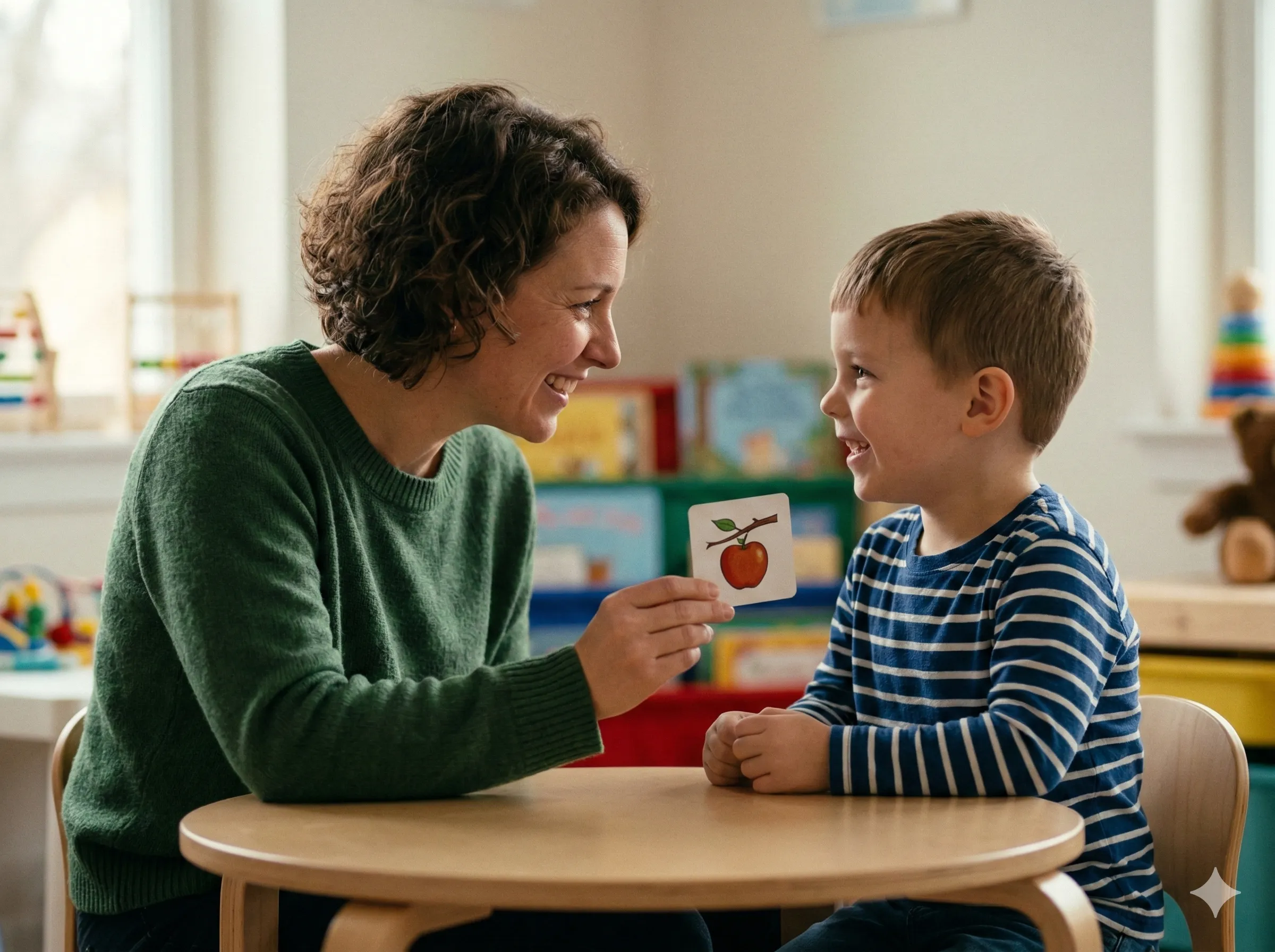
Speech therapist conducting an evaluation session with a child patient

Product Walkthrough

See how RelyCare works

Follow the full workflow from session capture to SOAP review, evidence extraction, and goal progress tracking.

Speech language pathologist analyzing clinical data for goal progress reports

Company Story

Meet the team behind Rely

Learn why RelyCare exists, who it is built for, and how the company is focused on speech-therapy-specific documentation and progress workflows.

Stop. This is amazing. I’m just really impressed.

Live reaction from a US practicing SLP after seeing RelyCare session planning.

FOUNDER-LED PILOT

Bringusyourdocumentationworkflow.

We’ll help you test RelyCare against the way your clinic actually captures sessions, reviews SOAP notes, and follows target progress.